Our latest exhibition , installed from May 9th in the Wychwoods Library in Milton, features historic photographs on the theme of folk dancing over the years in the Wychwoods
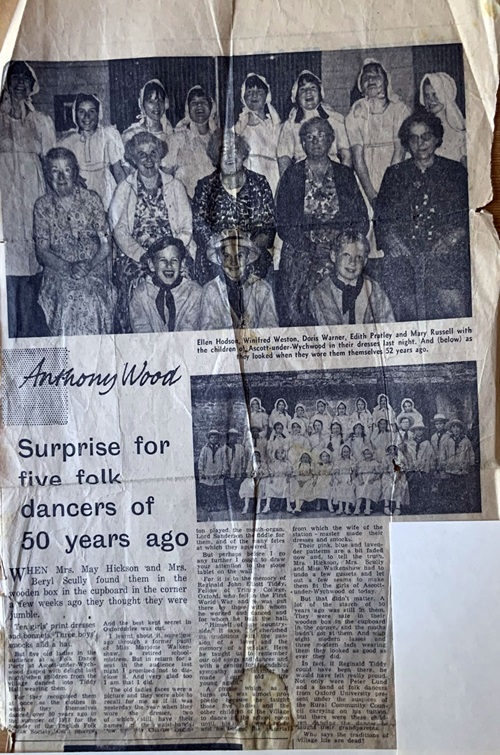
Among the featured images in the exhibition is this newspaper clipping showing former Ascott‑under‑Wychwood dancers reunited with their childhood costumes. It provides a useful point of entry into the longer history of the Wychwoods ‘Dancing Days’.
Here is the article:
Transcript of the Text of the Article
Folk Dancing in the Wychwoods: A Twentieth‑Century Overview
Folk dancing formed a notable strand of cultural life in the Wychwood villages throughout the twentieth century. Although its visibility rose and fell over the decades, the practice left a distinct imprint on school activities, community organisations, and local celebrations.
Early Twentieth‑Century Dancing Revival (c. 1900–1930)
The first decades of the century saw a nationwide revival of interest in English folk traditions, influenced by the work of organisations such as the English Folk Dance Society (EFDS), founded in 1911. Oxfordshire was an early participant in this movement. Schools in the Wychwoods, like many rural schools in the county, incorporated folk dancing into physical education and seasonal festivities. May Day events, Empire Day celebrations, and school concerts frequently included set dances, country reels, and maypole performances.
Teachers often received basic training through county education programmes or EFDS summer schools. Surviving school logbooks from the region occasionally reference “folk drill” or “country dancing practice,” indicating that these activities were embedded in the curriculum rather than treated as occasional entertainments.
The Legacy of Reginald Tiddy
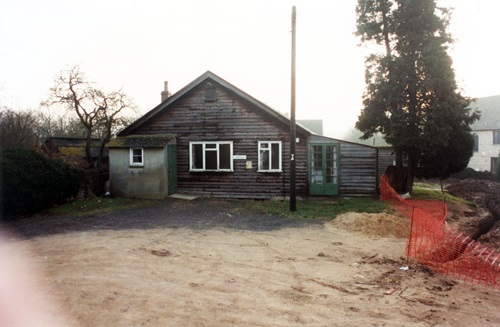
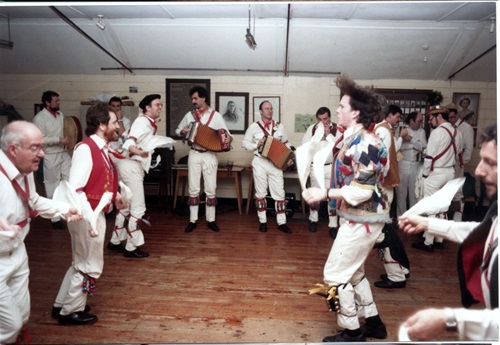
Our publication ‘The Second Wychwoods Album’ on the work of Reginald Tiddy in this era includes this extract which tells us that Tiddy brought about a revival of Morris dancing in Ascott. In 1912 he built the Tiddy Hall which has a special sprung floor for dancing. The team was much in demand for fetes and garden parties at the big houses in the neighbourhood like Cornbury, Bruern Abbey and Lee Place.
See more on Reginald Tiddy from the Second Wychwoods Album here:
Interwar and Wartime Continuity (1930–1945)
During the interwar years, folk dancing remained a regular feature of village life. Women’s Institutes, which expanded rapidly during this period, played a significant role in sustaining interest. The WIs of Shipton, Milton, and Ascott frequently organised displays at fêtes, charity events, and harvest suppers. Local instructors—often schoolteachers or WI members who had attended county courses—taught standard repertoires such as “Gathering Peascods,” “Sellenger’s Round,” and “The Dorset Four‑Hand Reel.”
The Second World War disrupted many organised activities, but folk dancing proved relatively resilient. It required no specialist equipment, could be practised indoors or outdoors, and was considered a wholesome form of recreation for children and adults. Several Wychwood residents later recalled wartime dances held in schoolrooms or village halls, sometimes accompanied by accordion or fiddle.
Post‑War Community Groups and School Displays (1945–1970)
The post‑war decades saw a renewed emphasis on community cohesion, and folk dancing benefited from this environment. School events in the Wychwoods continued to feature country dancing, particularly at end‑of‑year performances and May celebrations. Teachers who had themselves learned the dances as children often passed them on to new generations.
It is within this context that the five Ascott girls featured in our rediscovered clipping—Ellen Hodson, Winifred Weston, Doris Warner, Edith Pratley, and Mary Russell—performed in the early twentieth century. Their costumes, preserved for more than fifty years, reflect the standardised dress used for school and WI displays: simple white dresses, coloured sashes, and floral headpieces.
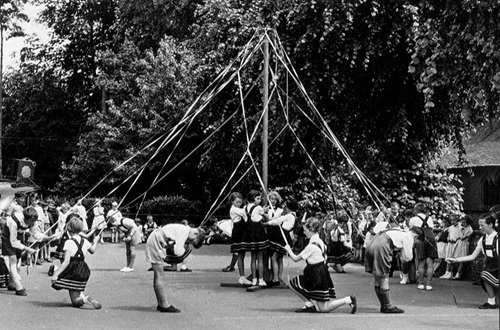
Local fêtes and pageants also provided opportunities for public performance. Newspaper archives from the 1950s and 1960s occasionally mention country dancing displays at Shipton Fête, Milton’s summer celebrations, and Ascott’s school events. These performances were typically organised by teachers or WI leaders and were regarded as emblematic of rural tradition.
Decline and Occasional Revivals (1970–2000)
By the 1970s, changes in school curricula and leisure activities led to a gradual decline in formal folk dancing instruction. While maypole dancing persisted in some primary schools, the broader repertoire of country dances became less common. Nevertheless, the tradition did not disappear entirely. Local history groups, WI branches, and village organisers occasionally revived folk dancing for special events, anniversaries, or heritage days.
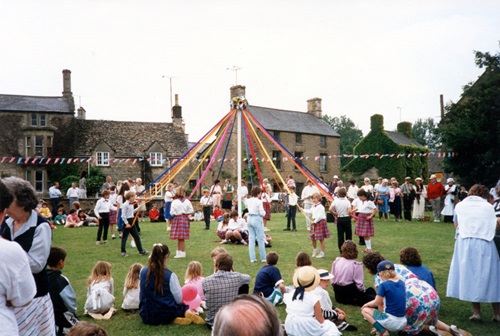
Again, the reunion captured in the newspaper clipping belongs to this pattern of late‑century revival. The reappearance of the original costumes and the presence of contemporary children dressed in similar attire illustrate how folk traditions can re‑emerge when prompted by community interest or historical curiosity.
Significance for Local History
The history of folk dancing in the Wychwoods demonstrates how national cultural movements were interpreted and sustained at the village level. It highlights the role of schools, WIs, and informal community networks in transmitting traditions across generations. The rediscovered clipping is valuable not only for its images but also for the insight it provides into the continuity of local practice.
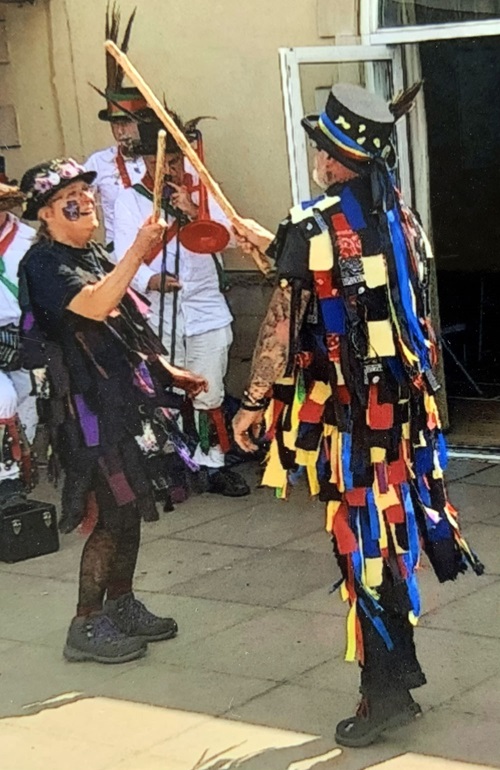
Although folk dancing is no longer a routine feature of village life, its legacy survives in photographs, memories, and occasional revivals.
As with many rural traditions, its endurance has depended less on formal institutions than on the willingness of individuals and communities to preserve and re‑animate the customs they inherited.
Selected Sources
English Folk Dance and Song Society (EFDSS). History of the English Folk Dance Society and the English Folk Dance and Song Society.
National context for the early‑twentieth‑century folk dance revival and its spread into schools and community groups.
Wychwoods Local History Society. Wychwoods History
Local evidence for village events, musicians, and community traditions in the Wychwoods.
See especially Journal 16 p.28-32 James Longshaw, Musician, by Keith Chandler
Oxfordshire County Council Education Records. School Logbooks and Inspectors’ Reports (1900–1970), Oxfordshire History Centre.
References to folk dancing, country dancing, and May Day preparations in rural schools.
Local Newspaper Archives. Oxford Mail, Oxford Times, Witney Gazette (1920s–1980s).
Reports on fêtes, school displays, and WI events featuring folk dancing in the Wychwoods.